how to keep pests out of your garden naturally: effective organic strategies
A thriving garden is a haven of beauty and productivity, but it can also attract unwanted visitors: pests. While pests are a natural part of the ecosystem, they can cause significant damage to plants if left unchecked. Instead of resorting to chemical pesticides, which can harm beneficial insects, wildlife, and even humans, consider using natural methods to keep pests at bay. Here’s a guide to effective and eco-friendly strategies for pest control in your garden.
1. Encourage Beneficial Insects
Many insects play a crucial role in controlling pest populations. Here’s how to attract these beneficial allies:
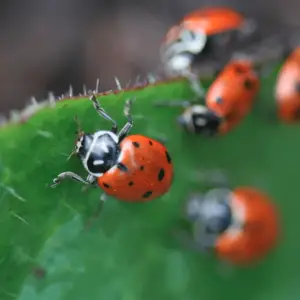
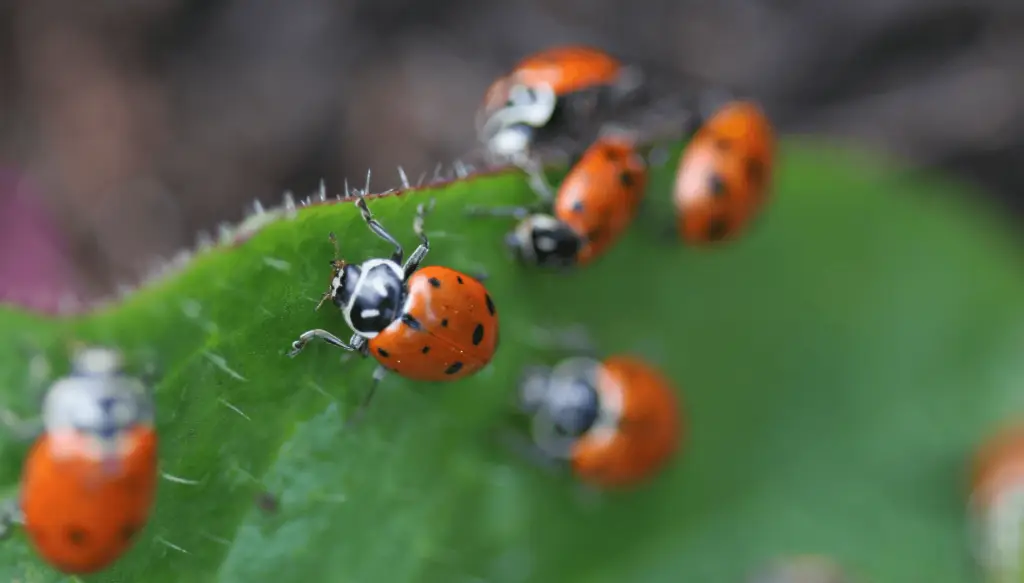
Ladybirds
- Targets: Aphids, mites, and scale insects.
- How to Attract: Plant flowers like dill, fennel, and yarrow. Ladybirds are attracted to these plants and will help keep aphid populations in check.
Lacewings
- Targets: Aphids, caterpillars, and whiteflies.
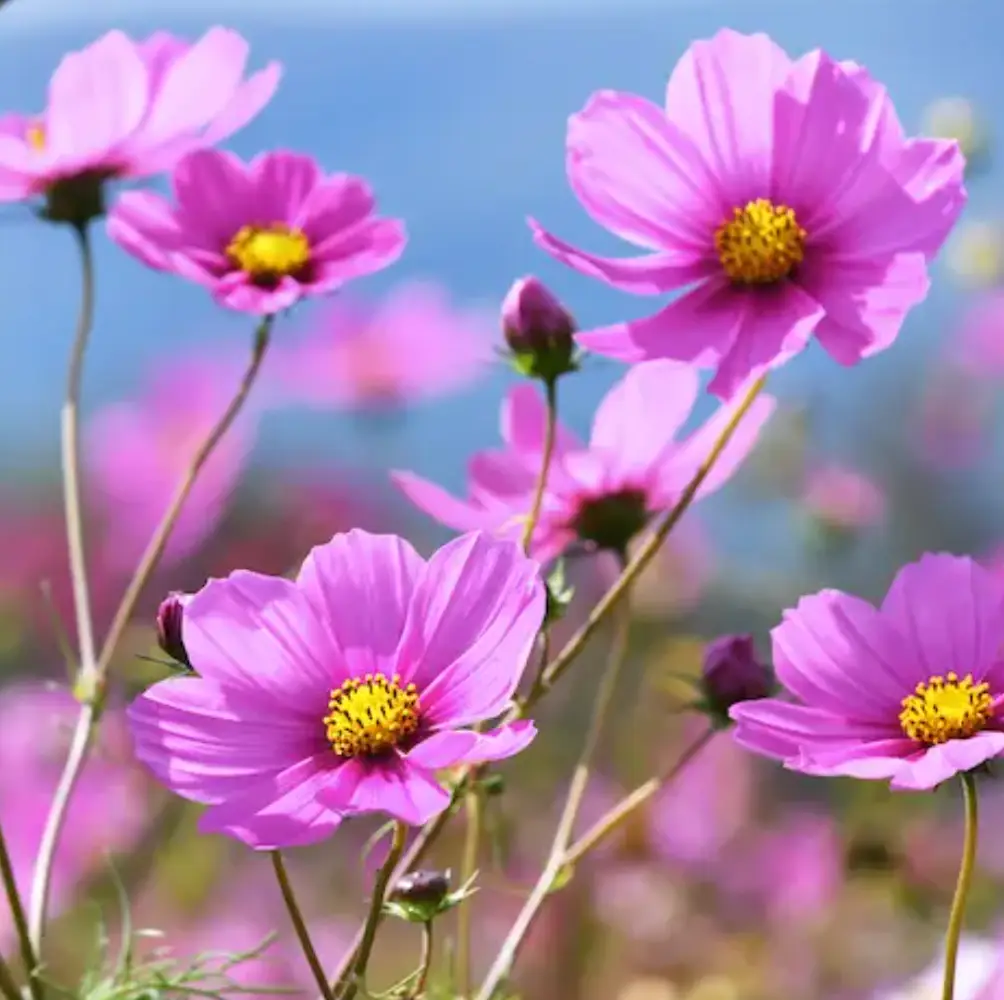
- How to Attract: Grow flowers such as dandelions, dill, and cosmos. Lacewings are drawn to the nectar and pollen and will prey on a variety of pests.
Hoverflies
- Targets: Aphids and other soft-bodied insects.
- How to Attract: Plant herbs like dill, fennel, and coriander. Hoverflies are attracted to these plants and will help reduce aphid numbers.
Ground Beetles
- Targets: Slugs, snails, and soil-dwelling pests.
- How to Attract: Provide ground cover like stones or mulch. Ground beetles need shelter and will patrol the soil for pests.
2. Utilise Companion Planting
Companion planting involves growing certain plants together to enhance growth and deter pests. Here are some effective combinations:
Marigolds
- Benefits: Repel nematodes, whiteflies, and aphids.
- Companions: Plant marigolds near tomatoes, beans, and peppers.
Basil
- Benefits: Repels mosquitoes and flies, enhances the flavour of tomatoes.
- Companions: Plant basil near tomatoes, peppers, and asparagus.
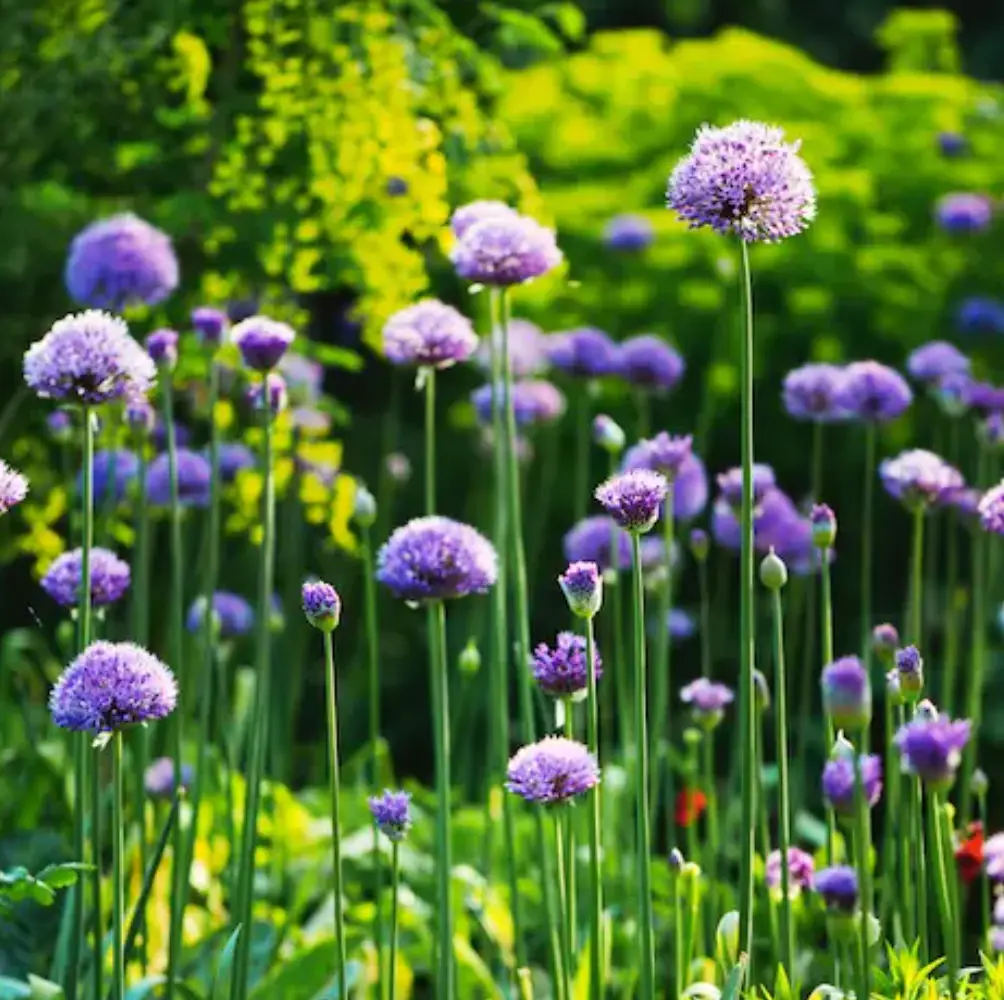
Garlic
- Benefits: Repels aphids, slugs, and carrot flies.
- Companions: Plant garlic near roses, carrots, and fruit trees.
Nasturtiums
- Benefits: Trap aphids and deter squash bugs.
- Companions: Plant nasturtiums near cucumbers, tomatoes, and beans.
3. Create Physical Barriers
Physical barriers can effectively protect plants from pests without harming the environment. Consider these options:
Row Covers
- Uses: Protects plants from insects like cabbage moths and carrot flies.
- How to Use: Drape lightweight fabric over crops and secure the edges with soil or stakes.
Netting
- Uses: Keeps birds, butterflies, and larger insects away from fruits and vegetables.
- How to Use: Place fine netting over berry bushes or fruiting plants, ensuring it’s securely fastened.
Mulch
- Uses: Deters slugs and maintains soil moisture.
- How to Use: Apply a layer of organic mulch like straw or wood chips around plants.
Copper Tape
- Uses: Repels slugs and snails.
- How to Use: Wrap copper tape around pots, raised beds, or garden edges.
4. Use Natural Repellents
Natural repellents can deter pests without harming beneficial insects or the environment. Here’s what to use:
Neem Oil
- Targets: Aphids, spider mites, and whiteflies.
- How to Use: Dilute neem oil according to the instructions and spray on affected plants. Reapply every 7-10 days as needed.
Diatomaceous Earth
- Targets: Slugs, snails, and soft-bodied insects.
- How to Use: Sprinkle diatomaceous earth around the base of plants. It works by dehydrating and killing pests upon contact.
Garlic Spray
- Targets: Aphids, caterpillars, and beetles.
- How to Use: Blend garlic cloves with water, strain, and spray on plants. The strong smell deters many pests.
Soap Spray
- Targets: Aphids, spider mites, and whiteflies.
- How to Use: Mix a few drops of liquid soap with water and spray on affected plants. The soap disrupts the pests’ cell membranes.
5. Practice Good Garden Hygiene
Maintaining a clean and healthy garden environment can prevent pest infestations. Here’s how:
Regular Weeding
- Benefits: Reduces hiding spots and food sources for pests.
- How to Do: Weed regularly, focusing on areas around plants and garden edges.
Crop Rotation
- Benefits: Prevents soil-borne diseases and disrupts pest life cycles.
- How to Do: Rotate crops annually, avoiding planting the same family of plants in the same spot each year.
Remove Debris
- Benefits: Reduces habitats for pests like slugs and snails.
- How to Do: Clear away dead leaves, fallen fruit, and plant debris from the garden.
Pruning and Deadheading
- Benefits: Improves air circulation and reduces fungal diseases.
- How to Do: Prune plants regularly to remove dead or overcrowded branches and flowers.
6. Introduce Natural Predators
Encouraging natural predators can help keep pest populations under control. Consider these options:
Birds
- Targets: Caterpillars, beetles, and slugs.
- How to Attract: Install bird feeders, baths, and nesting boxes. Grow plants that produce berries or seeds.
Frogs and Toads
- Targets: Insects and slugs.
- How to Attract: Create a garden pond or provide damp hiding spots like overturned pots.
Bats
- Targets: Mosquitoes and night-flying insects.
- How to Attract: Install bat houses and grow night-blooming flowers that attract insects.
7. Employ Cultural Controls
Cultural controls involve changing gardening practices to reduce pest pressure. Here are effective techniques:
Intercropping
- Benefits: Disguises plants and reduces pest infestations.
- How to Do: Plant a mix of different crops together rather than large monocultures.
Trap Crops
- Benefits: Lures pests away from main crops.
- How to Do: Plant sacrificial crops like radishes or nasturtiums to attract pests away from valuable plants.
Timing Planting
- Benefits: Avoids peak pest activity periods.
- How to Do: Plant early or late to avoid times when pests are most active.
Conclusion
Keeping pests out of your garden using natural methods is not only environmentally friendly but also enhances the resilience and health of your garden ecosystem. By encouraging beneficial insects, using companion planting, creating physical barriers, applying natural repellents, maintaining garden hygiene, introducing natural predators, and employing cultural controls, you can create a vibrant and pest-resistant garden. Embrace these organic strategies and enjoy a flourishing, sustainable garden that thrives without harmful chemicals. Happy gardening! 🌿🐞🦋
further down the lane