
BEGINNER GARDENING TIPS: YOUR GUIDE TO GROWING GREEN THUMBS
from guest blogger: Rikki webster
@theguysatgreenacre (Instagram)
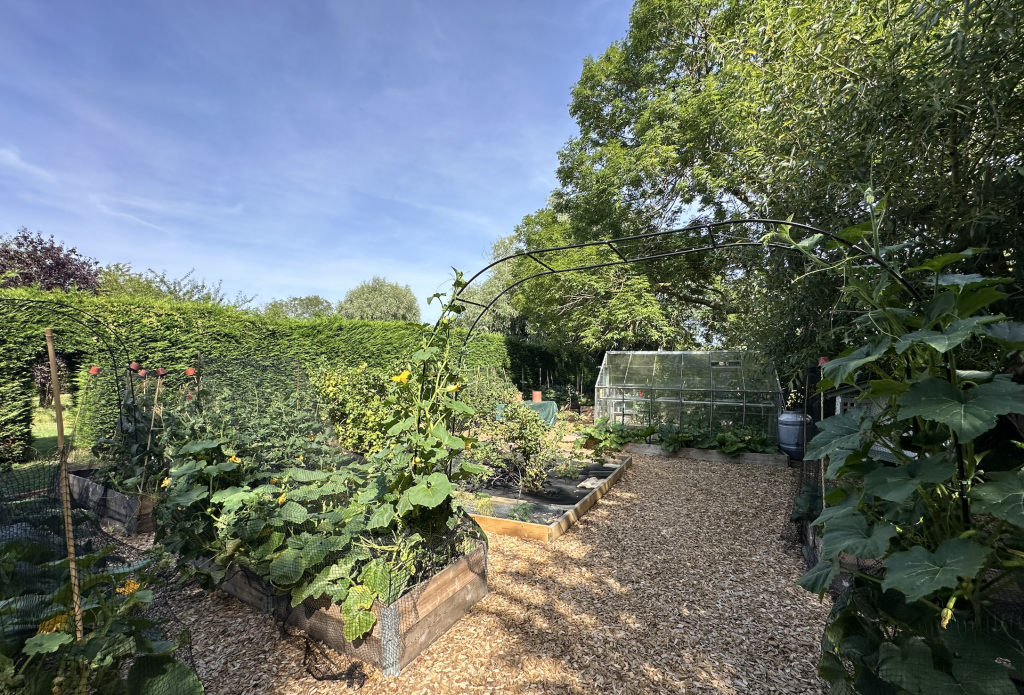
Are you ready to dive into the world of gardening but not sure where to start? Whether you have sprawling grounds, a city garden, cozy balcony, or simply a sunny windowsill, anyone can be a gardener with the right attitude and know-how. Gardening is a rewarding hobby that connects you with nature and adds beauty and interest to your space. I’m delighted to have been asked by the team at Sandy Lane Nursery to give my tips and learnings (as someone’s who’s only been gardening for just over a year) to help cultivate your own green thumb, no matter the size of your garden or level of experience.
As a millennial, I’ve noticed a trend amongst my peers that’s shifting towards a slower, more wholesome pace of life. My husband Phil and I recently moved from London to a lovely house on the Norfolk/Suffolk border, having lived abroad for a number of years. After our time in Sydney and Dubai, we decided when moving back to the UK, we wanted a change of pace. Were craving the kind of space we were never going to get in London, so it was bye bye to the rat race and hello to the wonderful world of gardening. As I often say, we skipped straight over the midlife crisis, and went straight to the granny hobbies!
Below, I’ve shared some useful lessons I’ve learned over the past year, to hopefully help those looking to pick up a trowel and get stuck into the garden.
1. Start Small and Simple
One of the biggest mistakes beginners make is diving in too deep, too fast. While it’s tempting to envision a lush garden brimming with flowers, herbs, and vegetables, starting small is key. While our garden at Greenacre is large, we haven’t tackled it all at once. We began with a few plants that were easy to care for and built confidence in a few areas of the garden, as we continued to learn the ropes.
What to Plant:
- Herbs: The likes of basil, rosemary, thyme, mint, chives, and parsley are hardy and forgiving, making them great for beginners. Plus they make excellent additions when cooking. Plant them near your kitchen, making them easy to grab when prepping dinner.
- Flowers: There are so many to choose from, but things like marigolds, nasturtiums, sunflowers, and zinnias are not only vibrant but also low-maintenance. It’s important to know that these flowers are annuals (meaning they’ll flower once a season and die off). Perennials, such as alliums, daffodils, agapanthus and more come back year after year, meaning you only have to plant them once.
- Vegetables: Tomatoes, lettuce, spring onions and radishes grow quickly and can be planted in pots or directly in the ground. Again, there are so many to choose from here, so if space is limited, start with the vegetables you love to eat. No point growing cauliflower if you can’t stand the taste!
2. Know Your Soil
Soil is the foundation of your garden, so it’s important to understand the type of soil you have and how to improve it. Sandy, clay, or loamy—each soil type has its own characteristics. You can test your soil’s texture by simply holding a handful of moist soil and pressing it. Does it crumble easily (sandy), stick together (clay), or does it hold together in a loose ball (loamy)?
Soil Tips:
- Test for pH: A simple pH test (available on Amazon and the like) will help you understand if your soil is too acidic or alkaline, guiding you in selecting the right plants.
- Amend your soil: Adding compost or organic matter improves soil structure and provides essential nutrients.
3. Sunlight is Key
Plants need sunlight to thrive, but not all plants require the same amount of light. Observe your garden space throughout the day to understand how much sunlight it gets and plant accordingly. Most plants will come with a guide on where to plant (full sun, partial shade, or shade) so take note when choosing what to plant.
Light Levels:
- Full sun: 6+ hours of direct sunlight—perfect for sun-loving plants like tomatoes and sunflowers.
- Partial shade: 3-6 hours of direct sunlight—ideal for plants like lettuce and ferns.
- Full shade: Less than 3 hours of direct sunlight—good for shade-loving plants like hostas and impatiens (busy lizzies).
If you’re working with limited space, like a balcony or windowsill, choose plants that match the light conditions. And remember, even the smallest spaces can bloom with life! We have a balcony at the house which gets direct sunlight most of the day, so we’ve chosen plants such as lavender, coneflowers, salvia, russian sage and a few evergreens.
4. Water Wisely
Watering might seem straightforward, but it’s easy to overdo or underdo it. The key is to water deeply but less frequently. This encourages roots to grow deeper into the soil, making your plants more resilient.
Watering Tips:
- Morning Routine: Water in the morning to allow plants to absorb moisture before the heat of the day.
- Soak, Don’t Sprinkle: Water at the base of plants rather than from above to avoid fungal diseases and ensure roots get the moisture they need.
- Know Your Plants: Some plants prefer dry soil (like succulents), while others need consistently moist soil (like ferns).
5. Give Your Plants Room to Grow
It’s easy to get excited and plant everything close together, but overcrowding can lead to poor air circulation, which makes plants more susceptible to diseases. Check the spacing recommendations on your seed packets or plant labels, and resist the urge to squeeze in just one more plant.
If you’re planting root vegetables you may also need to thin out things like carrots, parsnips and beetroot. Thinning out can seem counterintuitive however giving your vegetables room to grow to their full size is essential. So don’t be afraid of thinning out, it’s a vital part of the process.
Container Gardening:
If you’re working with limited space or prefer container gardening, choose appropriately sized pots with good drainage. Remember, plants in containers will dry out faster than those in the ground, so keep an eye on soil moisture.
6. Beware of Pests
Pests are an inevitable part of gardening. While it’s almost impossible to completely rid your garden of pests, there are things you can do to prevent and limit their impact. Besides us, we have a number of animals, birds and critters that also call Greenacre home. From muntjac deer, to rabbits, foxes, and even the neighbour’s cat, we have to be careful about what we plant. The Royal Horticultural Society (RHS) has some great protection and prevention articles on their website, including this one for deer-resistant plants.
Then there are smaller things such as slugs, snails and caterpillars. These little munchers can destroy plants in a matter of hours, so it’s important to stay vigilant and carry out regular checks. Early evening, before the sun sets is a great time to do a bit of watering and checking for pests. If you’re seeing signs of your plants being eaten, there are a number of things you can try such as copper wire, straw, slug pellets, beer traps, netting and even picking them off one by one.
You’ll find numerous articles, social media posts and videos about keeping pests off your plants. Just know that you’re not alone in this problem (especially as we live in a wet weather climate), but keep on top of it regularly and don’t get disheartened. More information on keeping bugs at bay can be found on our blog “how to keep bugs out of your garden naturally.”
7. Don’t Forget to Mulch
Mulching is a simple but powerful gardening technique. By adding a layer of mulch (like straw, wood chips, or even shredded leaves) around your plants, you help retain moisture, suppress weeds, and regulate soil temperature.
Mulch Tips:
- Organic Mulch: Over time, organic mulch breaks down and adds nutrients to the soil.
- Apply Wisely: Keep mulch a few inches away from plant stems to avoid rot.
- Overwintering: Applying a mulch overwinter will help put vital nutrients back into your soil for the coming growing season. Mulching is best done annually in late winter or early spring, before weed seeds start to germinate and while the soil is sufficiently damp. You can use a whole range of organic matter, but home-made compost or leaf mould are usually the best options. Applying mulch too soon may delay freezing and encourage heaving and thawing. Applying it too late may cause the roots of plants to experience temperatures below that which they can handle. Again, the RHS has some great information about mulching, which can be found here.
8. Have Fun and Experiment!
Gardening is as much about getting outside and calming your mind as it is about results. Don’t be afraid to experiment with different plants, colours, and techniques. Not everything will be a success, and that’s okay! Gardening is a learning process, and every mistake is an opportunity to learn and grow (quite literally) for next season.
Keep a Garden Journal:
Document your gardening journey by keeping a journal. Whether as a social media account, video diary, or in an old school notepad, keep track of what you’ve planted, where, and how it performed. Over time, you’ll gain valuable insights into what works best in your space, which will only improve your results.
So, to Sum Up
Starting a garden is a fantastic way to bring beauty, calm and fun into your life. Whether you’re looking to grow fresh herbs, colourful flowers, or tasty vegetables, the key is to start small, be patient, and enjoy the process. The wonderful team at Sandy Lane Nursery are here to support you every step of the way – like they have with my own gardening journey – offering great plants, tools, and advice to help your garden thrive.
Don’t forget to share your progress with Phil and I on Instagram by tagging @theguysatgreenacre. We can’t wait to see your gardens develop! Happy gardening! 👨🏻🌾

GUEST BLOGGER
Rikki is a keen amateur gardener who has built a strong following on Instagram sharing tales from his Suffolk garden. Equal parts enthusiastic energy and an unquenchable thirst for knowledge, Rikki’s give-it-a-go attitude has seen him carry out a number of major improvements to his garden in his first year, including the creation of a 40 bed, no dig veg patch.