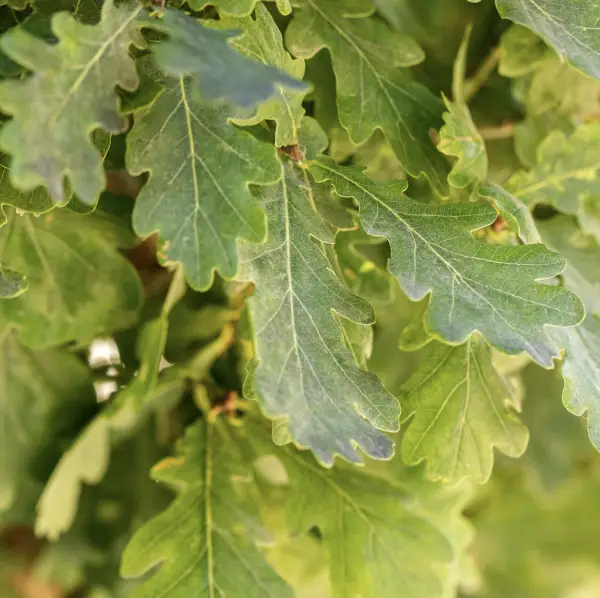
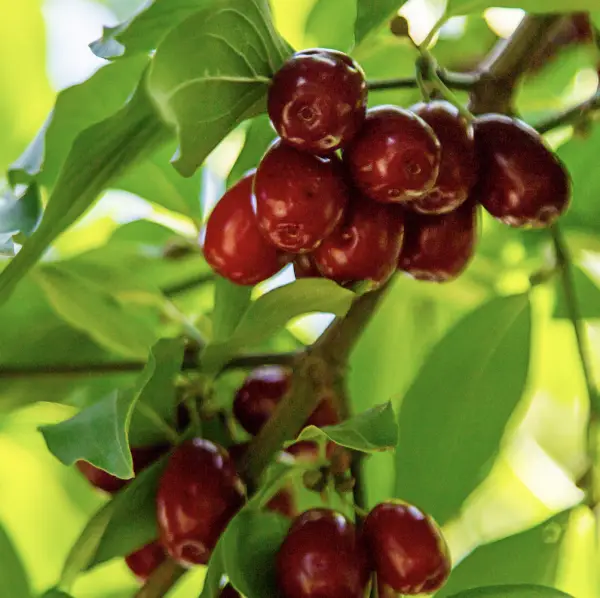
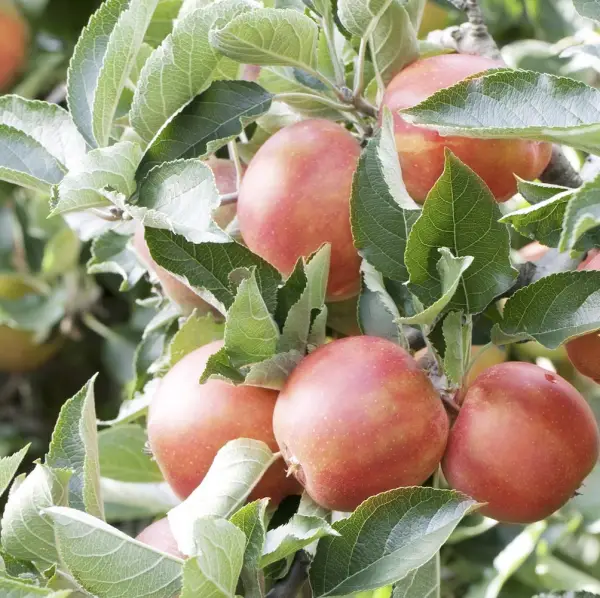
Silver Birch (Betula Pendula) is a graceful, deciduous tree, known for its distinctive white bark and elegant, weeping branches. Its bright green, triangular leaves turn a vibrant yellow in autumn, providing seasonal interest. Thriving in well-drained soils and full sun, Betula Pendula is perfect for adding height and lightness to UK gardens, parks, or woodland settings. Its peeling bark and delicate form make it a striking focal point year-round, while its seeds provide food for birds. This low-maintenance tree is ideal for naturalistic landscapes or as a standalone feature.
Keep your hedging plants in a frost free area before planting. Keep the roots damp but do not put them in a bucket of water until you need them. You can heal them in the garden if you are not planting straight away.
Before you plant make sure the soil is well prepared. Remove all weeds and any old plants. Dig over the area required to a spade depth adding well rotted compost as you go along.you can add a slow release feed or bone meal that will also help the young plants. Trimming the tops of the plants will help make a dense hedge. Remove around 10cm to help establish a strong plant for the future.
Try to plant the hedging at the same depth as it has been grown, you should be able to see what we call the tide line on the plants. If you can’t make out the tide line we would suggest planting 2-3cm deeper than the highest roots.
If possible mulch around the plants to help hold the moisture and keep the weeds at bay. 3-4cm deep. When the hedge starts to take shape give it a slight trim 2-3 times a year just to help it thicken up.
Don’t forget to keep feeding the hedge. This is an ongoing thing not just the first year. You can top dress around the base of the plants with chicken manure pellets once a month from April to September to keep the hedge strong. In the hot months water a bit extra just to keep the hedge strong and in tip top condition.