
creating the perfect cottage garden: a charming blend of beauty and bounty
Cottage gardens evoke a sense of timeless charm and natural beauty, blending vibrant flowers, aromatic herbs, and practical vegetables in a delightful, seemingly effortless array. Whether you’re dreaming of a lush, flower-filled retreat or a productive, edible landscape, creating the perfect cottage garden is a rewarding endeavour that combines creativity, planning, and a touch of whimsy. Here’s a comprehensive guide to help you craft your very own cottage garden paradise.
1. Embrace the Cottage Garden Aesthetic
The cottage garden style is characterised by an informal, almost wild, beauty. Here are key features:
- Dense Planting: Mix and match a variety of plants closely together. This helps maximise space and creates a lush, overflowing appearance.
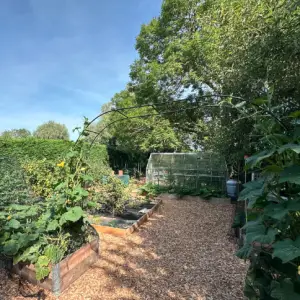
- Curving Paths: Gentle, meandering paths add to the organic feel of the garden and guide visitors through a tapestry of colours and textures.
- Natural Materials: Use materials like brick, stone, and wood for pathways, fences, and garden structures. These elements blend seamlessly with the natural environment.
2. Plan Your Space
Before planting, sketch out a rough plan of your garden. Consider the following elements:
- Sunlight: Observe where sunlight falls in your garden throughout the day. Most cottage garden plants thrive in full to partial sunlight.
- Soil: Test your soil’s pH and nutrient levels. Cottage gardens typically flourish in well-drained soil rich in organic matter.
- Zones: Divide your garden into distinct zones for flowers, herbs, and vegetables. This not only enhances aesthetics but also supports plant health.
3. Choose Your Plants
Cottage gardens celebrate diversity. Combine a mix of annuals, perennials, shrubs, and climbers for a dynamic landscape that changes with the seasons.
Flowers
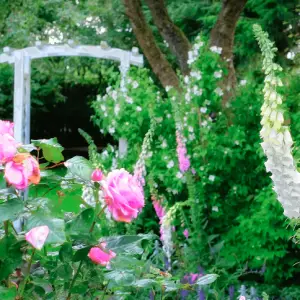
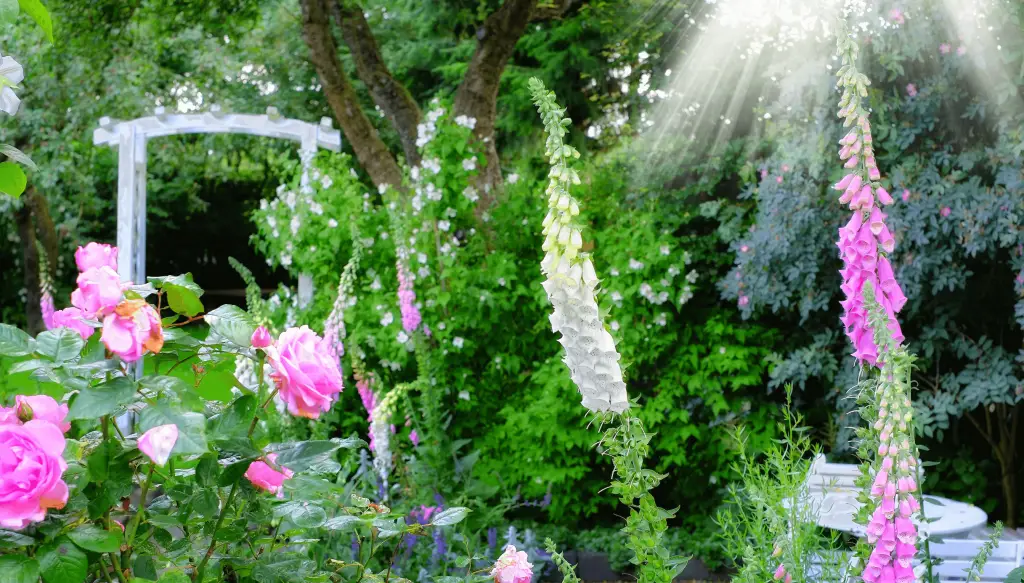
- Roses: No cottage garden is complete without roses. Choose varieties with old-fashioned blooms and heavenly fragrances.
- Foxgloves: These tall, spire-like flowers add vertical interest and attract pollinators.
- Delphiniums: With their towering spikes, delphiniums provide a dramatic backdrop.
- Lavender: Known for its soothing scent, lavender adds both colour and aroma to your garden.
- Peonies: Their lush, full blooms bring a touch of romance and elegance.
Herbs
- Thyme: A hardy herb that can be used as ground cover or in cooking.
- Sage: Provides both beautiful foliage and culinary uses.
- Mint: Thrives in most conditions but can be invasive, so consider planting in containers.
- Chives: Delicate purple flowers and edible leaves make chives a charming addition.
Vegetables
- Tomatoes: Classic and versatile, perfect for small spaces.
- Runner Beans: Their vibrant flowers and climbing nature add height and interest.
- Lettuce: Easy to grow and great for a quick harvest.
- Carrots: Plant these in well-drained soil for a colourful and nutritious crop.
4. Add Structural Elements
Incorporate garden structures to support climbing plants, create focal points, and provide shelter.
- Arbors and Trellises: Ideal for climbing roses, clematis, and honeysuckle. They create vertical interest and enhance the garden’s romantic appeal.
- Garden Benches: Place a wooden bench in a secluded corner for a quiet spot to relax and enjoy the garden.
- Birdbaths and Sundials: Decorative yet functional, these elements add charm and attract wildlife.
5. Planting and Maintenance
When planting, follow these steps for best results:
- Soil Preparation: Enrich your soil with compost or well-rotted manure to improve fertility and structure.
- Companion Planting: Group plants that benefit each other. For example, marigolds can deter pests from vegetables.
- Mulching: Apply a layer of mulch to conserve moisture, suppress weeds, and enhance soil health.
Ongoing Care
- Watering: Keep the soil consistently moist, especially during dry spells. Avoid overhead watering to reduce the risk of fungal diseases.
- Pruning and Deadheading: Regularly prune shrubs and deadhead spent flowers to promote new growth and extend blooming periods.
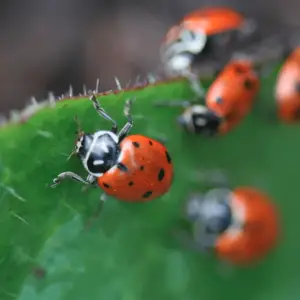
- Pest Control: Use organic methods like neem oil, insecticidal soap, or beneficial insects to manage pests without harming the environment.
6. Seasonal Changes
A well-planned cottage garden provides interest year-round:
- Spring: Bulbs like tulips, daffodils, and crocuses herald the arrival of spring.
- Summer: This is the peak season for many cottage garden plants. Ensure you have a variety of blooms to maintain colour and vibrancy.
- Autumn: Include late-flowering plants like asters and chrysanthemums. Consider planting ornamental grasses for texture and movement.
- Winter: Evergreen shrubs and structures like trellises maintain interest during the dormant season.
7. Foster a Sense of Discovery
Design your garden to invite exploration:
- Hidden Corners: Create secluded spots with unexpected seating or small statues.
- Layered Planting: Arrange plants in layers to create depth and reveal new plants as you move through the garden.
- Colour Themes: Experiment with colour schemes, such as a pastel palette for a serene look or bold colours for a lively, cheerful atmosphere.
Conclusion
Creating the perfect cottage garden is a labor of love that brings together a rich tapestry of plants and thoughtful design. It’s a space that evolves with the seasons, providing beauty, bounty, and a haven for both humans and wildlife. Embrace the organic, informal style, and let your garden grow into a living reflection of your personality and creativity. Happy gardening! 🌿🌸